Caring for linen in Canada's indoor climate
Flax-based fabrics behave differently in cold, dry, or humid rooms. These notes cover washing temperatures, seasonal storage, airing routines, and small repairs — specific to how Canadian homes actually feel in winter and summer.
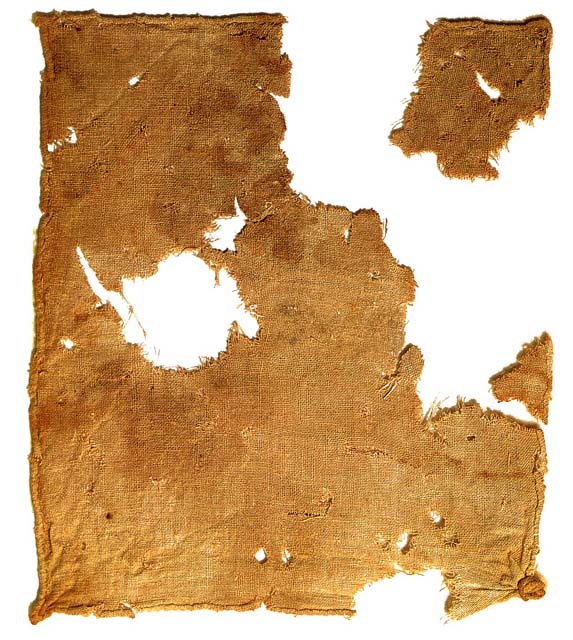
Topics
What this site covers
Three practical areas for anyone living with natural linen textiles in Canadian conditions — from washing through storage to minor repairs.
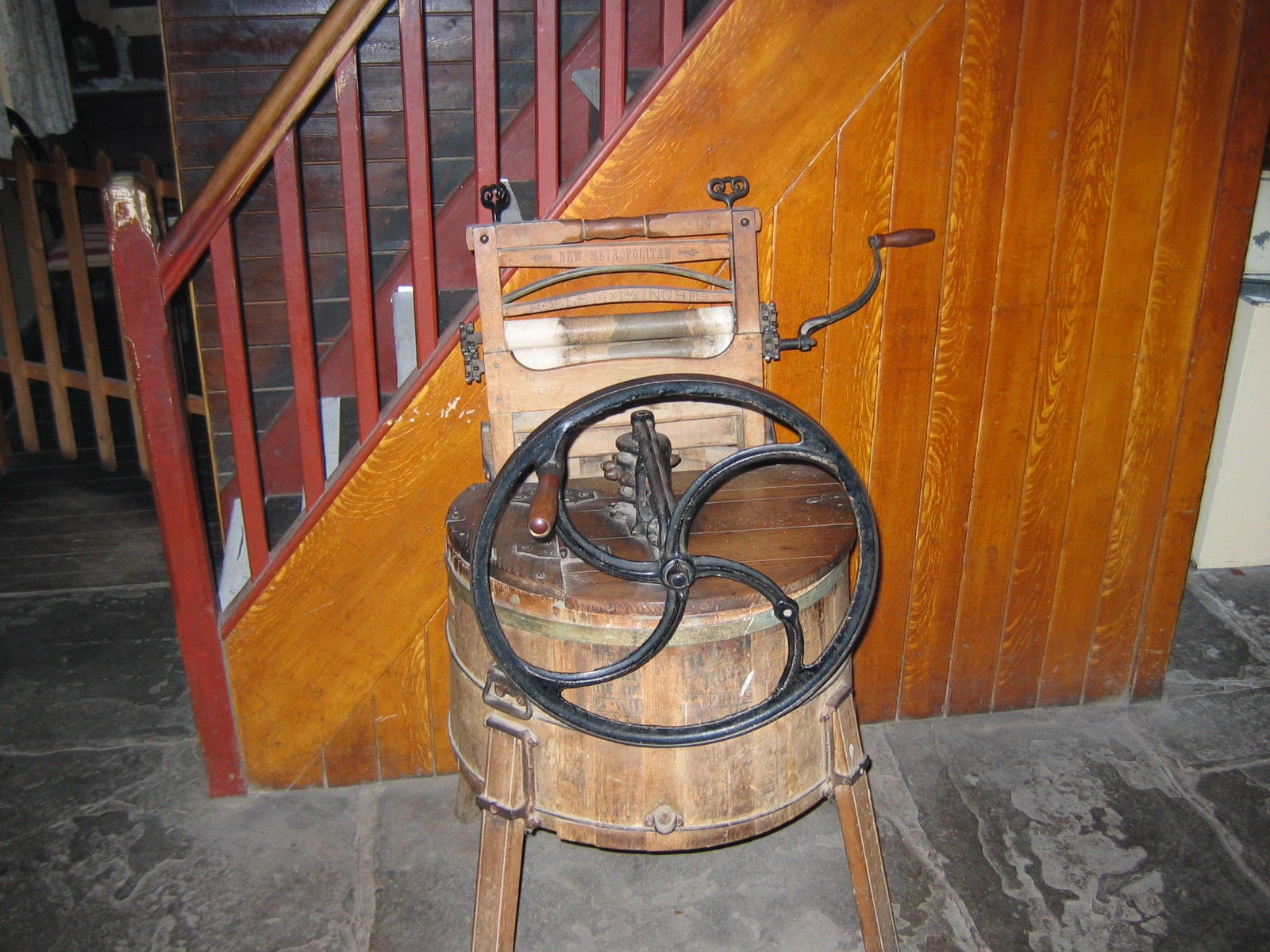
Cold-water washing for flax fibres
Linen fibres react to heat differently than cotton. Understanding the right water temperature, detergent type, and spin cycle reduces shrinkage and preserves the natural weave structure over time.
Read the guide
Storing linen through humid seasons
Basements, older closets, and rooms with forced-air heating all affect how stored linen ages. This article looks at folding, wrapping, and container choices that suit variable Canadian humidity levels.
Read the guide
Airing out and repairing natural linen
Linen does not need washing as often as synthetic fabrics — airing alone handles much of routine freshening. Small tears and pulled threads in woven flax are also straightforward to repair at home.
Read the guide
About the fibre
Why linen responds to humidity
Linen is spun from the stalks of Linum usitatissimum — common flax. The fibre is naturally hollow and absorbs moisture from the surrounding air, which is why it feels cool in summer and clammy in a damp winter room.
This same property means humidity levels directly affect how stored linen ages. In Canadian homes where indoor humidity swings between 20% in heated winters and 70%+ in humid summers, storage choices matter more than they do in stable climates.
- Hollow fibre structure absorbs and releases moisture rapidly
- Naturally anti-bacterial — mildew risk is lower than wool or cotton
- Gains strength when wet — safe for machine washing at correct temperatures
- Creases easily but relaxes with light damp pressing
Recent Articles
Guides for linen care
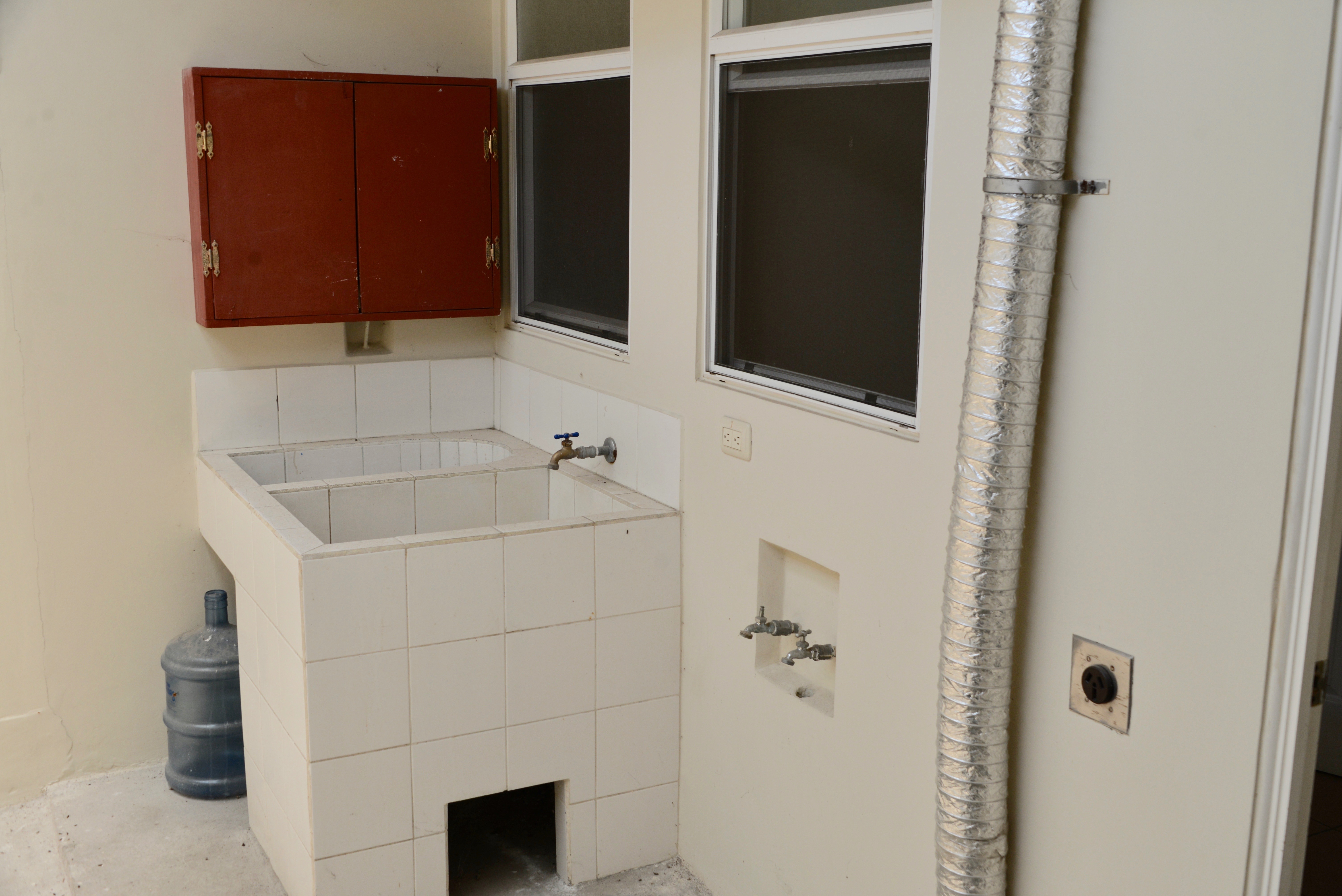
How to Wash Linen in Cold Canadian Climates
Cold-water cycles, natural detergents, and drying without a tumble dryer — a practical walkthrough for maintaining flax fabric through repeated laundering in homes with forced-air heating.
Read article
Storing Linen in Humid Canadian Conditions
Choosing the right container, fold pattern, and room for long-term linen storage in homes where humidity shifts significantly between seasons.
Read article
Mending and Airing Natural Linen at Home
When airing replaces washing, how to spot early wear in the weave, and simple hand-mending techniques for small tears in tableware, bedding, and everyday linen pieces.
Read article
Canadian context
Cold winters, humid summers — what that means for linen
Most of Canada's population centres see indoor relative humidity drop to 20–30% during heated winter months, then climb above 60% during summer without air conditioning. This cycle affects linen differently at each extreme.
At low humidity, stored linen can become brittle at fold lines. At high humidity — particularly in basements, semi-detached storage areas, or older homes with uneven vapour barriers — the risk shifts to mildew on fabric that hasn't been fully dried before folding.
- Winter: use a humidifier near linen storage to prevent brittleness
- Summer: allow freshly washed linen to air-dry completely before folding
- Transition seasons: open storage containers periodically to allow air circulation