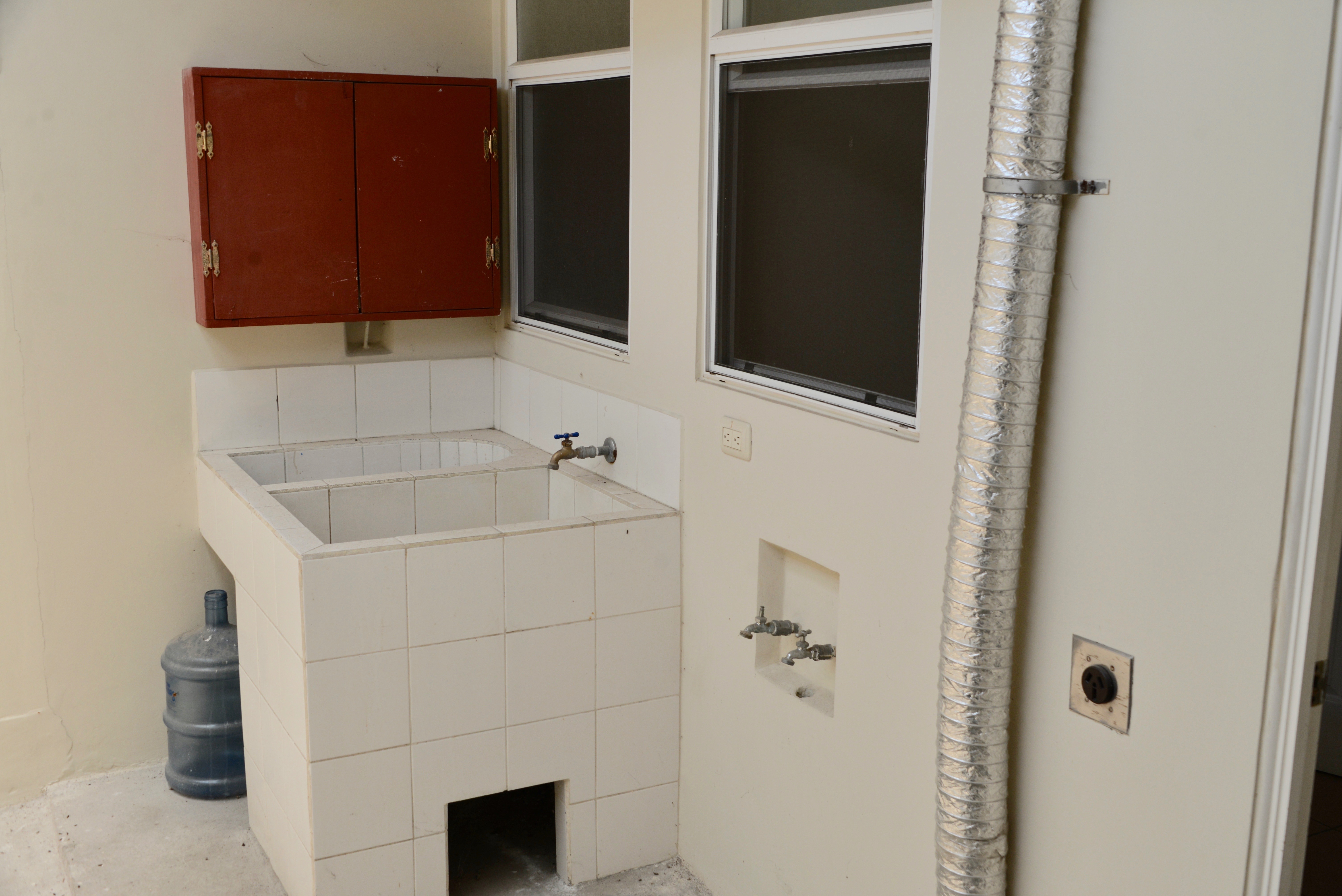
Why temperature matters for linen
Flax fibre is stronger than cotton but more sensitive to sudden thermal changes. Washing linen in hot water — anything above 40°C — causes the fibre bundles to contract unevenly, which leads to visible shrinkage and a rougher surface texture after drying. This is particularly relevant in winter, when the contrast between cold tap water and a hot wash cycle is at its greatest.
In most Canadian urban water systems, cold tap water in January sits between 4°C and 8°C. Running a cold wash cycle with water at that temperature works well for lightly soiled linen — the mechanical action of the drum does most of the cleaning. For more soiled items, a 30°C warm cycle is a practical middle ground that avoids the contraction caused by higher temperatures.
Machine washing: settings and cycle choices
Most residential washing machines sold in Canada include a dedicated delicate or gentle cycle. For woven linen — tablecloths, napkins, bedding — the gentle cycle at 30°C is the standard recommendation from organisations like the Government of Canada's consumer product guidance.
Spin speed
High spin speeds twist and stress the weave. A spin speed of 800 RPM or lower is adequate for linen. Higher spin cycles do reduce drying time, but the mechanical strain accumulates over repeated washes and eventually shows as thinning at fold lines and seams.
Load size
Washing linen in small, loosely packed loads reduces abrasion during the cycle. A large tablecloth filling half a standard front-load drum moves more freely than the same tablecloth crammed in with a full load of mixed laundry.
Care label note: Canadian textile care labels follow the ASTM D5489 / CAN/CGSB-86.1 standard. The tub symbol with a hand indicates hand-wash only. A tub with one dot indicates 30°C. Always check the label before choosing a cycle.
Detergent selection
Standard biological detergents contain enzymes that break down protein-based stains. These enzymes also gradually degrade natural fibres, including flax, with repeated use. Enzyme-free detergents, which are available in most Canadian grocery and hardware stores, are a better long-term choice for linen.
Fragrance-free variants reduce the risk of residue buildup, which can make linen feel stiff after drying. If stiffness is already a problem, a half-cup of plain white vinegar added to the rinse compartment of the detergent drawer acts as a mild softener without the coating effect of commercial fabric softeners.
What to avoid
- Chlorine bleach — weakens flax fibres and causes yellowing over time
- Optical brighteners — leave a blue-white residue that alters the natural off-white tone of undyed linen
- Heavy fabric softeners — coat the fibre and reduce its natural breathability
Drying linen in winter conditions
Tumble drying is the most damaging step for linen longevity. The combination of heat and mechanical agitation causes cumulative shrinkage and surface pilling that washing alone does not. In Canadian winters, where outdoor line drying is not possible for months at a time, indoor drying requires some planning.
Indoor drying rack placement
A drying rack positioned near a forced-air heating vent will dry linen quickly, but the concentrated heat directed at one face of the fabric creates uneven drying and localised stress. A better position is in the room rather than directly adjacent to the vent — allowing the overall warm, dry indoor air to do the drying over a slightly longer period.
Hanging linen flat over a rack bar, rather than folded over it, reduces the crease at the hanging point. For tablecloths and larger pieces, two bars or a towel rail with multiple rungs distribute the weight more evenly.
Managing dry indoor air
In heated Canadian homes in January and February, indoor relative humidity can drop to 15–25%. At these levels, linen dries very quickly — sometimes within two to three hours for lighter items — but the rapid moisture loss can cause stiffness and slight brittleness at fold lines. A room humidifier set to maintain 35–45% RH during the drying process produces a softer result.
Hand washing
Items with embroidery, loose weave, or older natural-dye colours are better washed by hand in a basin at 20–30°C. The process is straightforward: submerge, agitate gently for two to three minutes, rinse twice with water at the same temperature as the wash water, then press — do not wring — between two clean towels before hanging flat to dry.
Wringing concentrates mechanical stress at the points where the fabric folds. For finer linen, this causes visible distortion to the weave that does not fully recover after drying.
Health Canada's guidance on household textile care aligns with international care labelling standards. The full label interpretation guide is available at canada.ca.
After washing: pressing and finishing
Linen is easiest to press while still slightly damp — about 10–15% residual moisture. A steam iron at the linen setting (usually marked with three dots) on most irons sold in Canada works well. Pressing from the reverse side of the fabric preserves the surface texture of the weave and avoids creating a shine on the face of the cloth.
If linen has dried completely before pressing, a damp cloth laid over the surface and pressed firmly with a dry iron achieves a similar result.
References: Government of Canada — canada.ca | Natural Resources Canada — nrcan.gc.ca | Wikimedia Commons image: Laundry room — public domain.